
Non-Destructive Testing (NDT) Services in the UAE
Request an inspection quote
Inspection services within 36 hours
LEEA Full Member
Prefer to talk? +971 58 815 0808
Other Services:
- Lifting Equipment Inspection
- Lifting Gears Inspection
- Scaffolding Inspection
- Marine Inspection
- Pressure Equipment Inspection
- Non Destructive Testing
- Torque Testing
- Anchor Bolt Pull Out Testing
- Tank Inspection
- Earth Moving Machinery
- Inspection Of Personal Protective Equipment
- Parks & Amusement Equipment
- Electrical System & Equipment Inspection
- Inspection Of Water System

Non Destructive Testing
CIB MARS is a leading provider of Non-Destructive Testing (NDT) solutions, ensuring the safety, reliability, and quality of materials, components, and structures across various industries. Our team of skilled technicians and engineers utilizes advanced NDT methods to assess critical assets without causing damage.
CIB MARS carries out non-destructive testing (NDT) in Dubai, Abu Dhabi, Sharjah, Ras Al Khaimah and across the UAE from its office at City Bay Business Center, Dubai. Inspection services within 36 hours. Request a quote using the form on this page, call +971 58 815 0808 or email info@cibmars.com. Clients in Saudi Arabia and Pakistan can contact our Riyadh and Islamabad offices via the contact page.
Guides: NDT methods compared
What is NDT and which methods are used?
Non-destructive testing (NDT) examines welds, plates, pipes and components for defects without damaging them, so the item can stay in service. CIB MARS provides ultrasonic (UT), magnetic particle (MT), penetrant (PT), radiographic (RT), visual (VT) and eddy current (ET) testing, choosing the method by material, defect type and the applicable code.
| Method | Finds | Typical use |
|---|---|---|
| Visual testing (VT) | Surface defects, corrosion, misalignment | First step in every inspection |
| Penetrant testing (PT) | Surface-breaking cracks and porosity | Non-porous metals, including stainless steel and aluminium |
| Magnetic particle testing (MT) | Surface and near-surface cracks | Ferromagnetic steels and welds |
| Ultrasonic testing (UT) | Internal flaws, wall thickness, laminations | Welds, plates, pipes, thickness surveys |
| Radiographic testing (RT) | Internal volumetric defects (porosity, inclusions) | Weld quality records, castings |
| Eddy current testing (ET) | Surface cracks, coating thickness, tube wall loss | Conductive materials, heat-exchanger tubes |
Methods are often combined: VT first, then PT or MT for surface cracks and UT or RT for internal defects. Compare methods in detail: NDT methods compared.

Visual Testing
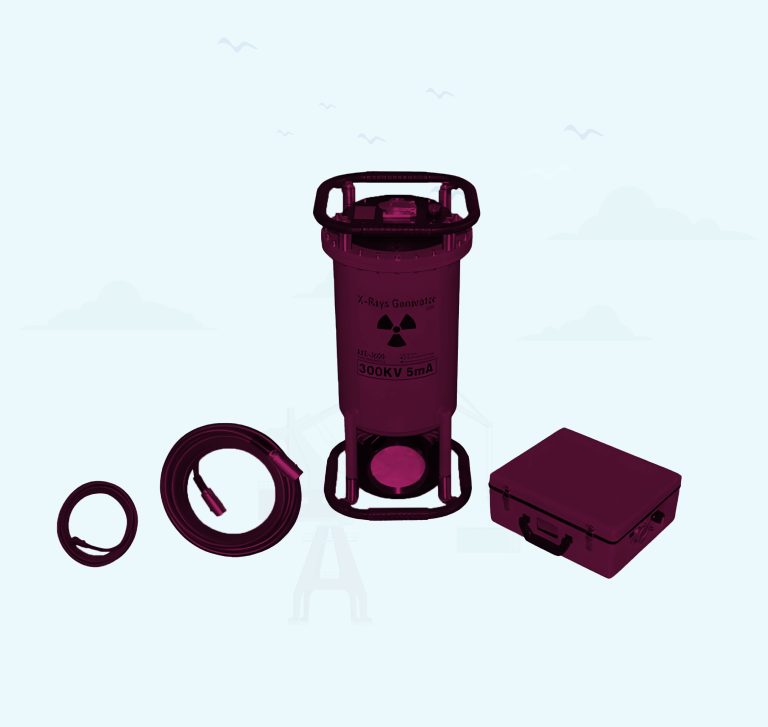
Radio Graphic Testing
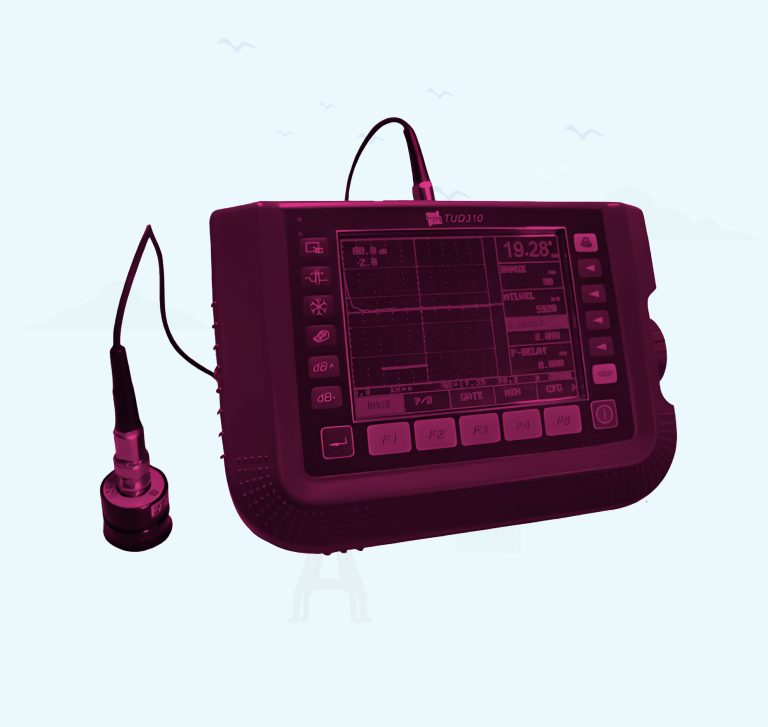
Ultrasonic Testing

Magnetic Particle Testing
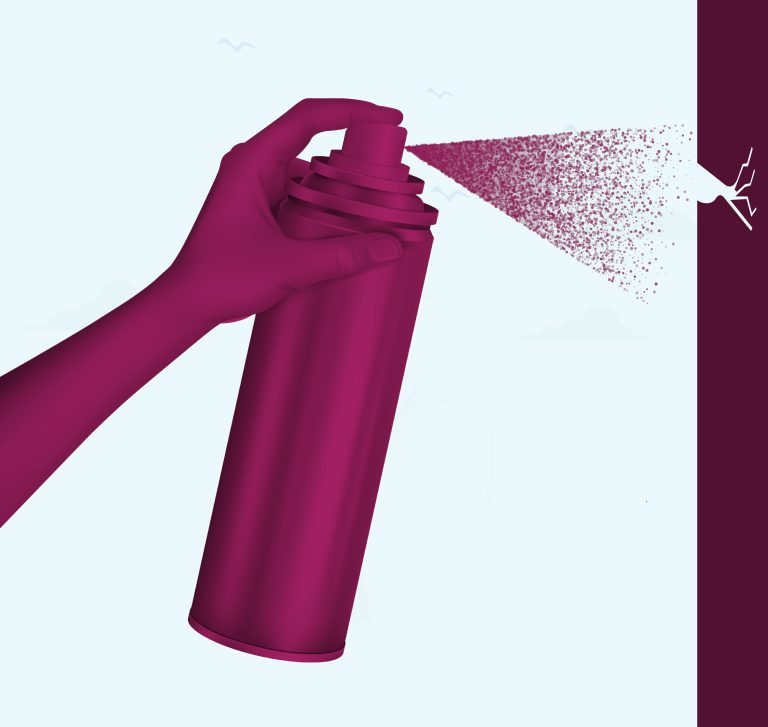
Dye Penetrant Testing
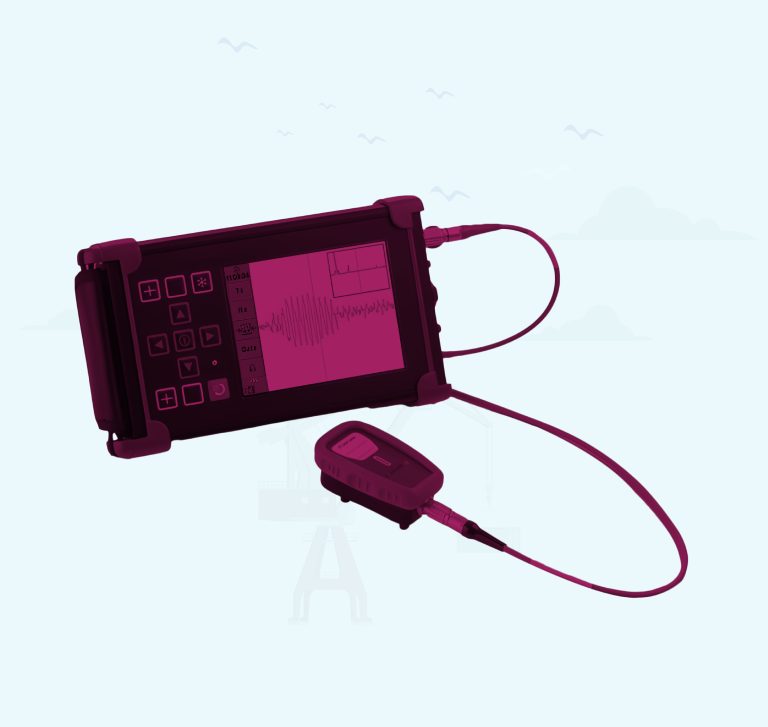
Eddy Current Testing
Non-Destructive Testing (NDT) plays a critical role in ensuring safety, quality, and reliability across various industries. Let’s explore why NDT is so important:
Importance of Non-Destructive Testing
Safety Assurance:
- NDT helps prevent catastrophic failures by detecting critical-size defects in materials, components, and structures.
- Engineers rely on NDT results to validate that manufactured products meet design specifications and are safe for use.
Quality Validation:
- NDT measurements serve as essential validation of product quality.
- By assessing material properties without causing damage, NDT ensures that products meet industry standards and perform as intended.
Economic Value:
- NDT adds economic value to the manufacturing process.
- Detecting defects early prevents costly rework or recalls due to poor-quality products reaching consumers.
Continuous Improvement:
- NDT measurements provide numeric parameter datasets.
- Manufacturers use these data for statistical analysis, process improvement and quality control.
Non-Destructive Testing Solutions
CIB MARS offers a comprehensive range of Non-Destructive Testing (NDT) solutions to ensure the integrity and reliability of materials, components, and assemblies without compromising their functionality. Let’s explore some of the NDT methods and solutions provided by CIB MARS:
Ultrasonic Testing (UT):
- UT transmits high-frequency sound waves into the target material to detect flaws or changes in material properties.
- The pulse-echo testing method is commonly employed, where internal flaws or surfaces reflect sound back as echoes.
Magnetic Particle Testing (MT):
- MT creates a magnetic field in ferromagnetic material and applies iron dust to the surface.
- Surface and close-to-surface imperfections affect the magnetic field, revealing their presence.
Liquid Penetrant Testing (PT):
- PT is a widely used NDT technique.
- A visible or fluorescent dye solution is applied to the test object or material.
- A developer is then applied to extract penetrants from exposed flaws.
- Visible dyes show “blued out” areas due to the colour contrast between the penetrant and developer, while fluorescent dyes are visible under UV light.
Radiographic Testing (RT):
- RT uses penetrating X-rays or gamma radiation to check for defects in parts and goods.
- Radiation is directed onto film, creating a shadowgraph during development.
- Potential flaws appear as density fluctuations on the film.
Visual Testing (VT):
- VT involves direct visual inspection of surfaces.
- Inspectors visually examine components for defects, irregularities, or anomalies.
WE ARE PASSIONATE
HONEST AND DEPENDABLE
WE ARE ALWAYS IMPROVING
Non-Destructive Testing Question:
- NDT is a method for detecting faults or discontinuities in materials, components, or assemblies without compromising their use.
- It ensures the integrity and reliability of products, regulates manufacturing processes, and maintains consistent quality.
- Examples of NDT methods include ultrasonic testing, magnetic particle testing, liquid penetrant testing, and radiographic testing.
- NDT plays a crucial role in safety assurance, quality validation, and cost-effectiveness.
- It prevents catastrophic failures, optimizes maintenance, and enhances asset longevity.
Industries such as aerospace, energy, and manufacturing rely on NDT for reliable and safe operations.
CIB MARS provides a comprehensive range of NDT solutions, including:
- Ultrasonic Testing (UT):Detects flaws using high-frequency sound waves.
- Magnetic Particle Testing (MT):Reveals surface and near-surface defects in ferromagnetic materials.
- Liquid Penetrant Testing (PT):Popular for surface defect detection.
- Radiographic Testing (RT):Uses X-rays or gamma radiation to check for internal defects.
Visual Testing (VT): Direct visual inspection of surfaces
- UT transmits sound waves into the material to detect flaws or changes in properties.
- Pulse-echo testing is commonly used, where internal flaws or surfaces reflect sound back as echoes.