
Lifting Gear & Lifting Accessories Inspection
Request an inspection quote
Inspection services within 36 hours
LEEA Full Member
Prefer to talk? +971 58 815 0808
Other Services:
- Lifting Equipment Inspection
- Lifting Gears Inspection
- Scaffolding Inspection
- Marine Inspection
- Pressure Equipment Inspection
- Non Destructive Testing
- Torque Testing
- Anchor Bolt Pull Out Testing
- Tank Inspection
- Earth Moving Machinery
- Inspection Of Personal Protective Equipment
- Parks & Amusement Equipment
- Electrical System & Equipment Inspection
- Inspection Of Water System
Lifting Gears Inspection
Lifting gear inspection by CIB MARS involves the thorough examination and assessment of various lifting equipment and accessories used in industrial and construction settings. This includes equipment such as hoists, slings, chains, hooks and shackles, among others.
The inspection process typically includes visual inspections, functional testing, and non-destructive testing to ensure that the equipment is safe to use and complies with relevant safety regulations and standards. The inspections are carried out by qualified and experienced inspectors who have the necessary knowledge and expertise to identify potential hazards and assess the condition of the equipment.
Cranes, hoists and other lifting appliances are covered by our lifting equipment inspection service.
CIB MARS carries out lifting gear inspection in Dubai, Abu Dhabi, Sharjah, Ras Al Khaimah and across the UAE from its office at City Bay Business Center, Dubai. Inspection services within 36 hours. Request a quote using the form on this page, call +971 58 815 0808 or email info@cibmars.com. Clients in Saudi Arabia and Pakistan can contact our Riyadh and Islamabad offices via the contact page.
What is the difference between lifting equipment and lifting gear inspection?
Lifting equipment is the machine that raises and lowers the load, such as a crane, hoist or forklift. Lifting gear (lifting accessories) is everything between the machine and the load, such as slings, shackles, hooks and spreader beams. Both need periodic thorough examination by a competent person, but lifting gear wears faster and is examined more often.
| Lifting equipment | Lifting gear | |
|---|---|---|
| What it is | The lifting machine (lifting appliance) | Accessories between the machine and the load |
| Examples | Mobile, tower and overhead cranes, hoists, winches, forklifts, telehandlers, MEWPs | Wire rope, chain and webbing slings, shackles, hooks, eyebolts, lifting clamps, spreader and lifting beams |
| Typical thorough examination (LOLER benchmark) | 12 months (6 months if it lifts people) | 6 months |
| What is checked | Structure, mechanisms, brakes, limits and safety devices, load test where required | Wear, deformation, cracks, damaged wires or links, markings and safe working load |
| CIB MARS service | Lifting equipment inspection | Lifting gear inspection (this page) |
How often should lifting gear be inspected?
Lifting gear such as slings, shackles, hooks, eyebolts and chains should have a thorough examination by a competent person at least every 6 months under the widely used LOLER benchmark, plus a visual check by the user before every lift. Many clients set shorter intervals, often shown by a periodic colour code or inspection tag.
| Check | When | By whom |
|---|---|---|
| Pre-use visual check | Before every use | Rigger or user |
| Thorough examination | At least every 6 months (or the client’s shorter interval) | Competent, independent person |
| Examination after damage, repair or overload | Before the item is used again | Competent person |
| Colour code / tag change | Each inspection period, as set by the site | Inspection body or site lifting coordinator |
Each report records the item’s identification, safe working load, examination date and next due date. See lifting equipment vs lifting gear inspection.
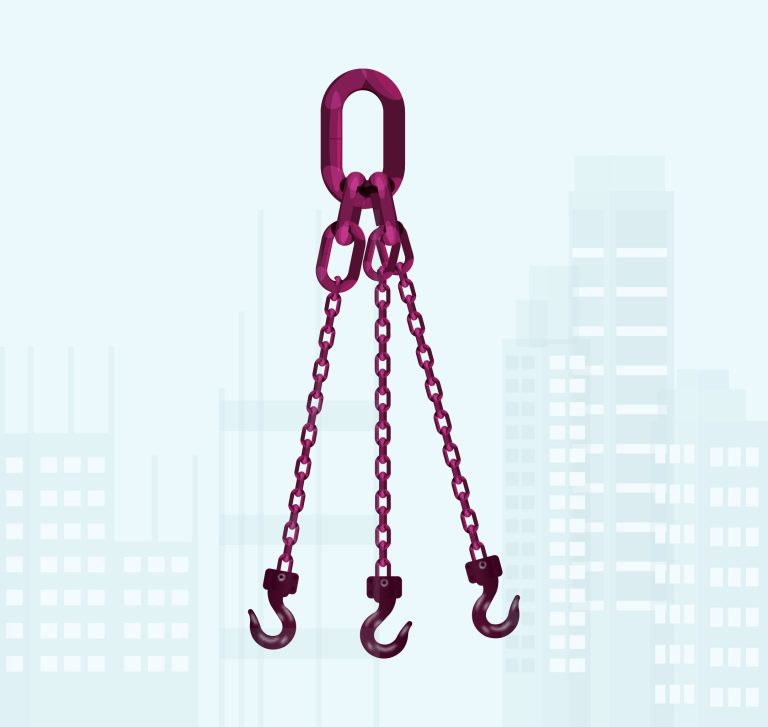
Chain Sling
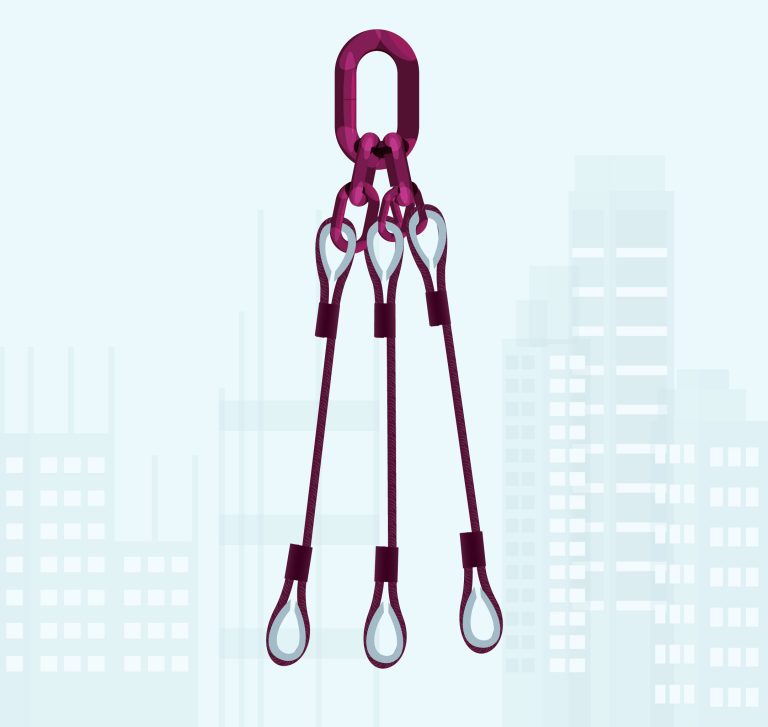
Wire Rope Sling
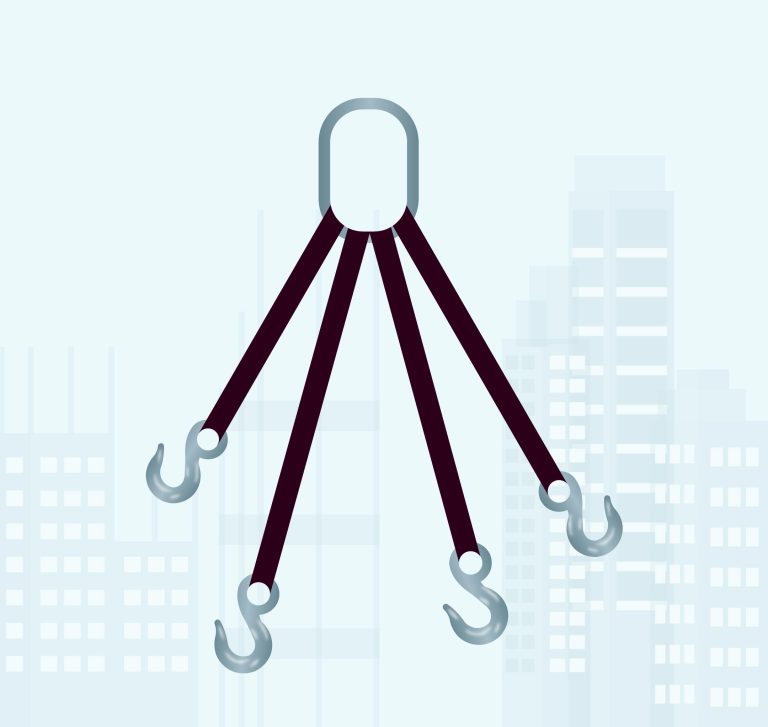
Webbing Sling

Shackle
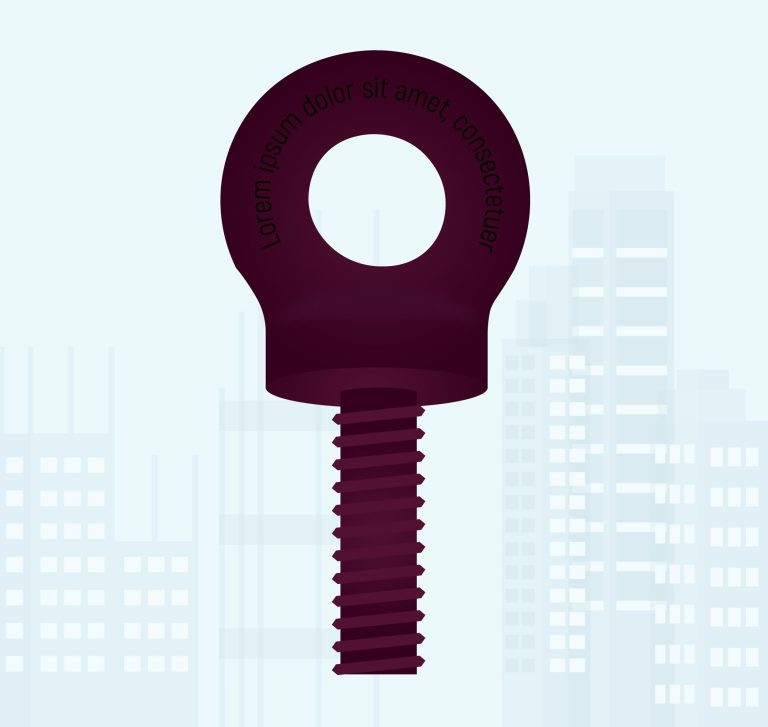
Eye Bolt

Hook
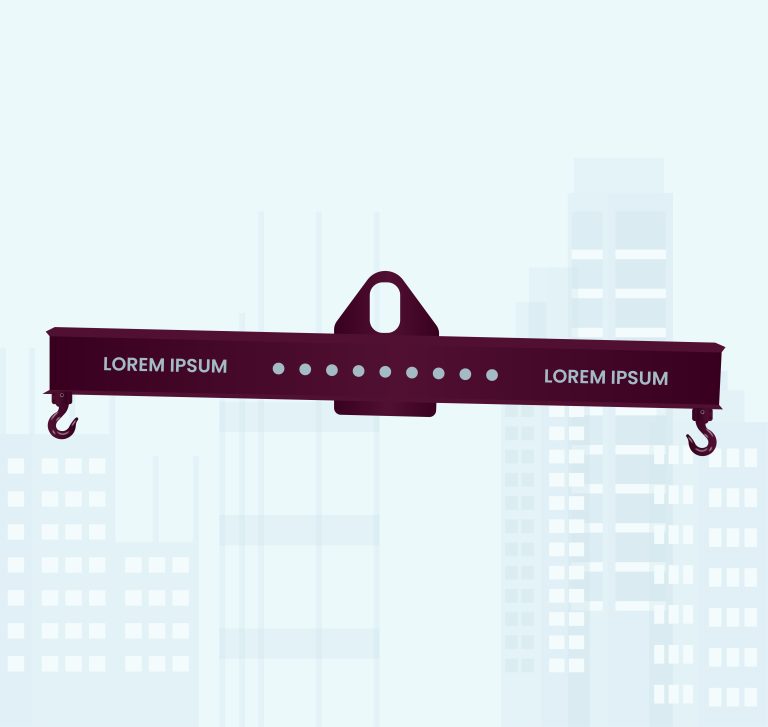
Lifting Beam
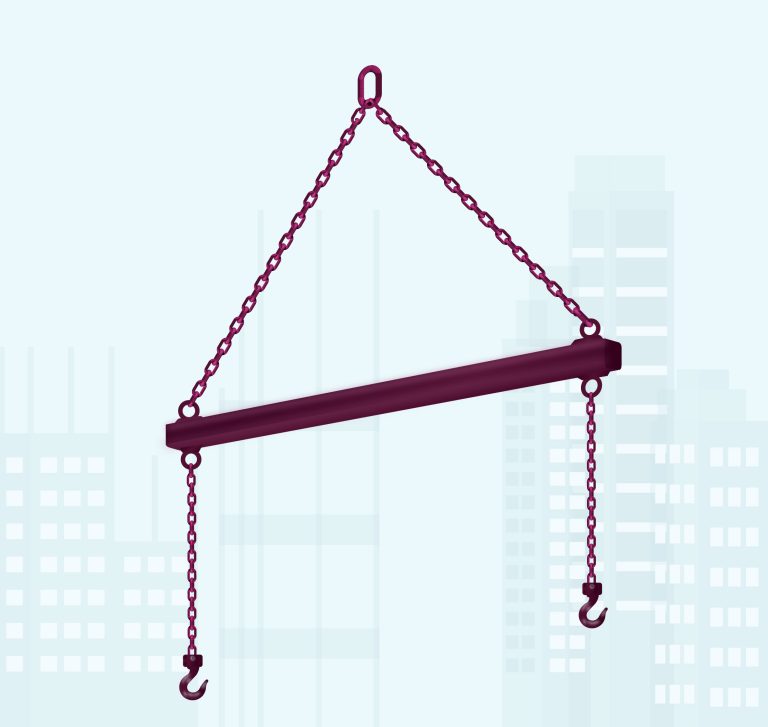
Spreader Beam
The goal of lifting gears inspection is to identify any defects or issues that could compromise the safety of the equipment or the people working with it. By conducting regular inspections, organizations can ensure that their lifting equipment is safe, reliable and compliant, reducing the risk of accidents and injuries in the workplace.
Importance of Lifting Gears Inspection
The importance of lifting gears inspection lies in ensuring the safety of workers and the integrity of lifting operations. Here are some key reasons why lifting gears inspection is crucial:
Safety: Regular inspection helps identify defects or wear in lifting equipment that could lead to accidents, injuries, or fatalities.
Compliance: Inspection ensures that lifting equipment meets regulatory requirements and industry standards, helping organizations avoid fines and legal issues.
Risk Management: Inspection helps organizations identify and mitigate risks associated with lifting operations, reducing the likelihood of equipment failure and accidents.
Equipment Longevity: Regular inspection and maintenance can extend the lifespan of lifting equipment, reducing the need for frequent replacements and saving costs.
Operational Efficiency: Well-maintained lifting equipment operates more efficiently, reducing downtime and increasing productivity.
Worker Confidence: Regular inspection and maintenance of lifting equipment can boost worker confidence, knowing that they are using safe and reliable equipment.
Environmental Protection: Properly maintained lifting equipment reduces the risk of spills, leaks or other environmental hazards.
Lifting Gears Inspection Solutions:
- Comprehensive Inspection Services: Offering thorough inspections of lifting gears, including visual inspections, functional testing and non-destructive testing
- Certification and Compliance: Providing certification of inspection and compliance with relevant safety regulations and standards
- Risk Assessment and Mitigation: Conducting risk assessments to identify potential hazards associated with lifting gears and implementing measures to mitigate these risks.
- Maintenance Programs: Implementing maintenance programs for lifting gears to ensure they remain in good working condition and comply with safety standards
- Training and Awareness: Providing training and awareness programs for employees on the safe use of lifting gears and the importance of regular inspections.
- Documentation and Records: Maintaining detailed documentation and records of inspections, examinations, and maintenance activities for auditing and compliance purposes.
- Emergency Response Planning: Developing emergency response plans for dealing with accidents or incidents involving lifting gears to minimize risks and ensure a swift and effective response
- Consultation Services: Offering consultation services to help organizations develop and implement effective lifting gears inspection and safety programs.
- Technology Solutions: Utilizing technology solutions such as remote monitoring, sensors and data analytics to enhance the efficiency and effectiveness of lifting gears inspections
- Customized Solutions: Tailoring inspection and maintenance programs to meet the specific needs and requirements of each organization
WE ARE PASSIONATE
HONEST AND DEPENDABLE
WE ARE ALWAYS IMPROVING
Lifting Gears Inspection Question:
Lifting gear inspection is important for ensuring the safety of workers and preventing accidents. Regular inspection helps identify and address potential issues before they lead to equipment failure or injury.
Lifting gear inspection should be conducted by trained and competent personnel. These individuals should have a good understanding of the equipment and be able to identify any defects or issues.
Lifting gear such as slings, shackles, hooks, eyebolts and chains should have a thorough examination by a competent person at least every 6 months under the widely used LOLER benchmark, plus a visual check by the user before every lift. Many clients set shorter intervals, often shown by a periodic colour code or inspection tag.
During a lifting gear inspection, the inspector will visually examine the equipment for signs of wear, damage, or defects. They may also conduct functional tests to ensure the equipment operates correctly.
Failing to inspect lifting gear regularly can lead to equipment failure, which can result in accidents, injuries, and even fatalities. It can also lead to non-compliance with regulatory requirements, which can result in fines and legal issues.